Folks, the Thrifty Fictionista is getting a bit uppity and feeling the need to make a return in amongst Blue Jai’s Vignettes…it’s all very well to provide pops of fictional colour, but every now and then I need to use this patch of cyberspace to process the non-fictional STUFF (I believe that’s correct the technical term) swirling around in my head.
The Easter holidays are upon us here in the Antipodes, and for us that means increasingly autumnal days and cooler nights. There is a crispness in the morning air now we have switched back from Daylight Saving Time, and although the temperatures here in Sydneytown are still pushing towards 30 several days this week, night is falling sooner. Deeper. Darker.
And for the Thrifty Fictionista on holidays, that means my Reading Time starts earlier and gets longer. I’m not getting washing off the line at 6:30pm, and chances are I’ve already switched to stewing or baking something for dinner – which basically means I bung something in the oven, prep some greens to steam later, and dive headfirst into the nearest book.
I’ve read a bunch of stuff lately, but one thing has really stood out to me: the high quality of writing by female authors. I realised I have often been quick to praise certain books – especially those by people like Tim Winton and Trent Dalton – as vying for the coveted title (ahem…dreadful pun alert) of my Favourite Book, but that the works I come back to time and again are often by women.
So, I thought it was high time the Thrifty Fictionista put together a list of my Top Five Women Writers for you all to fight over – agree, disagree, comment, don’t comment, whatever. But these, in no particular order, are my picks:
- CHARMIAN CLIFT
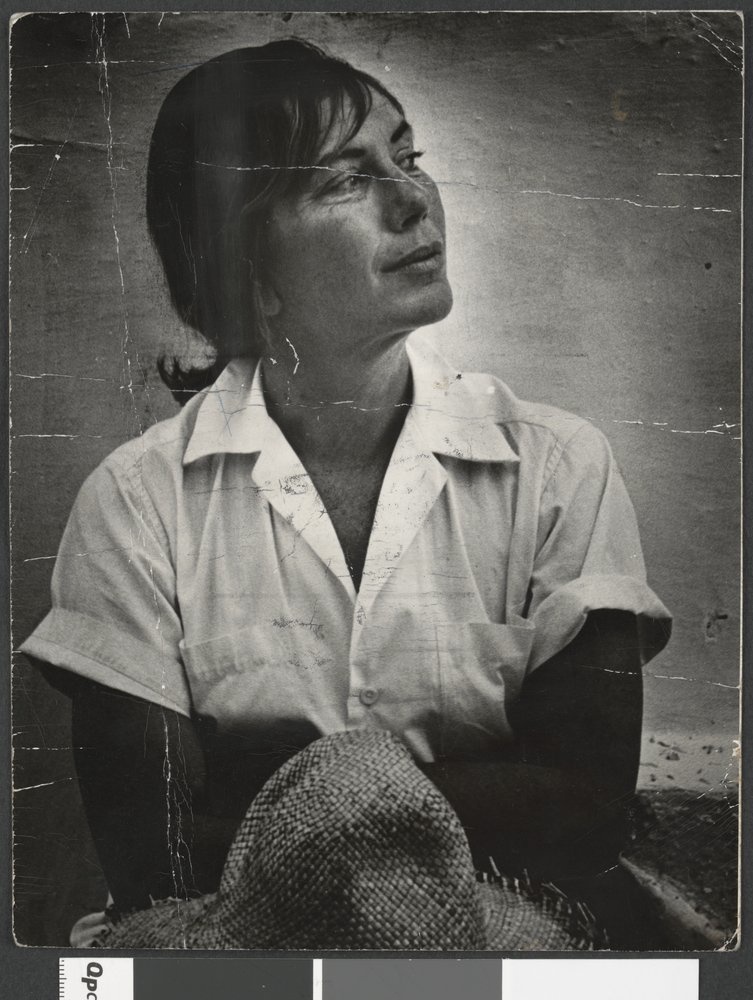
So, I’m guessing my first female writer is someone you may never have heard of, but once you start reading her stuff you may not want to stop. Charmian Clift was an Australian novelist and columnist who died (by her own hand, unfortunately), in July 1969. Her writing draws upon on her life experiences living in Australian and overseas – most notably in Greece and the UK – and what it was like returning to Australia after she moved back to Sydney in 1964 with her husband and children.
Her essays, the best of which have been collected by Nadia Wheatley (also a brilliant Australian woman writer) into two volumes: Sneaky Little Revolutions and The End of the Morning. These are the sort of books I read with a soft 2B pencil in hand, underlining the most magical and lyrical lines of Clift’s prose. She was an incisive observer of life, both interior and exterior, was unafraid to point out the inequalities and vagaries plaguing Australian suburban life before second wave feminism really reached these shores, and she was also very funny.
An example of one of the many lines I highlighted while reading, just to give you a taste?
Memory is as tricky as a flawed window glass that distorts the view beyond according to the way one turns one’s head.
Please, PLEASE read Charmian Clift. She may have left us too soon, but I believe she should never be forgotten. Oh – and if you need anything else to pique your interest, the child she gave up for adoption when she was 19 ended up becoming Suzanne Chick, mother to Gina Chick, who won the first season of Alone: Australia.
How’s that for three generations of incredible women? And yes, they all have books you can read.
- HELEN GARNER
No list of women writers could be complete without the inimitable Helen Garner. I have just finished reading her book The Season and have been struck – no, humbled – yet again by the high quality of her writing, but the unflinching keenness of her eye, the depth of her emotional awareness and honesty, the precision of her turn of phrase. It doesn’t matter if she’s writing fiction or non-fiction: Helen Garner is, quite genuinely, brilliant.
- HILARY MANTEL
I felt – quite selfishly – bereft when Hilary Mantel died in 2022. Her passing meant, of course, that I would never again have the pleasure of reading a new novel by her. Or short story, or book review, or dazzlingly insightful essay. Like Helen Garner and Charmian Clift, Mantel did not stick to one form but made any writing she turned to appear effortless. I particularly love her historical fiction (and, as a Thrifty Fictionista can guarantee you get plenty of book for your buck in this department), and hold her Thomas Cromwell trilogy in particularly high esteem. I’m glad she wrote so much, so I have plenty of her work yet to read, but I remain mournful she is gone.
- MAGGIE O’FARRELL
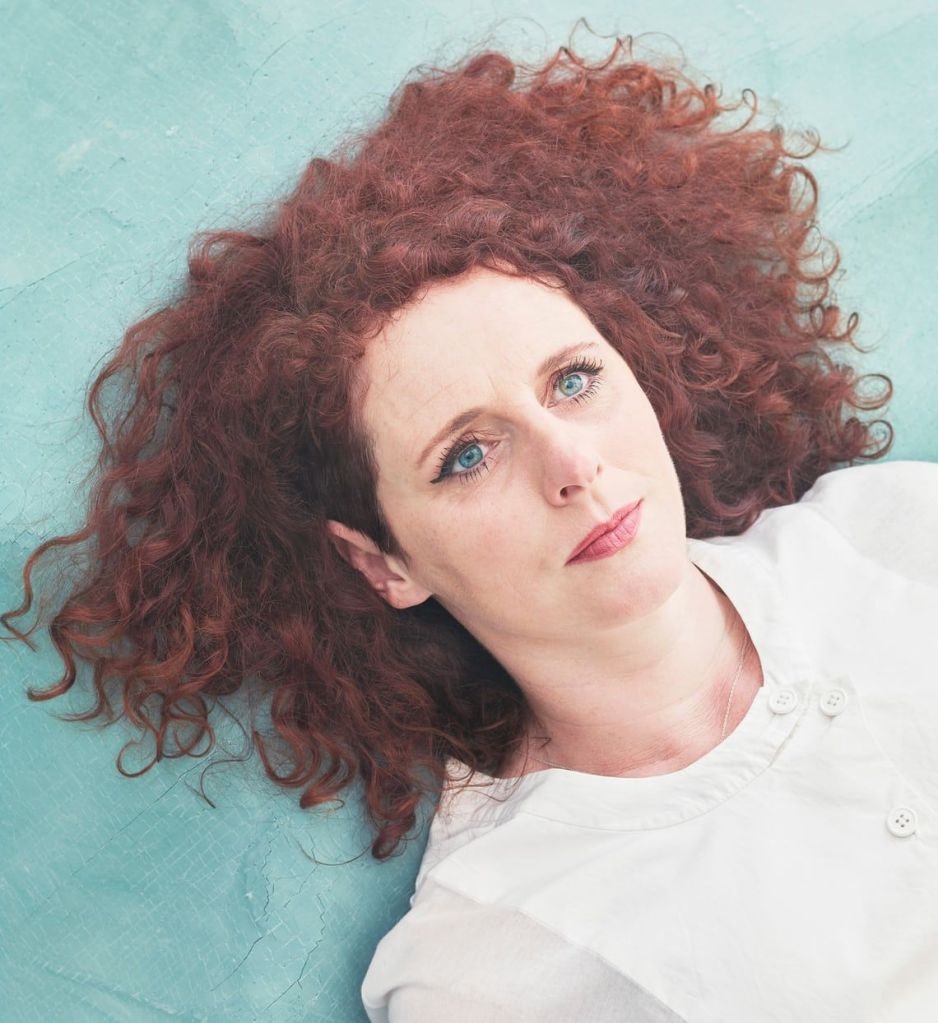
I’m not band waggoning and including Maggie O’Farrell on this list because of the recent success of the film adaptation of her novel Hamnet at the Oscars. She’s here because ever last thing of hers that I read is excellent and different: not just Hamnet, but The Marriage Portrait and This Must Be The Place and anything else she turns her hand to. I love the way O’Farrell tells stories, especially in her historical fiction, from perspectives that have often been ignored. Women’s perspectives, most obviously and particularly.
- CURTIS SITTENFELD
I was delighted to pick up Curtis Sittenfeld’s short story collection Show, Don’t Tell at a second hand book sale recently and finally read it the other week. What a masterclass! And what a joy to return at the end of that work to a story about Lee Fiora, from her first novel, Prep. Sittenfeld’s worlds are instantly accessible and fully realised, whether they be contained in the sparse pages of a short story or the sprawl of a novel. She can take a single idea (eg. what if Hilary didn’t marry Bill? in Rodham) and imagine the unfurling of that notion so fully and deftly and with such complexity that her alternate reality seems like…reality.
Anyhoo, that’s it from the Thrifty Fictionista for now. I’m off to read and write some more…
 It was always going to happen.
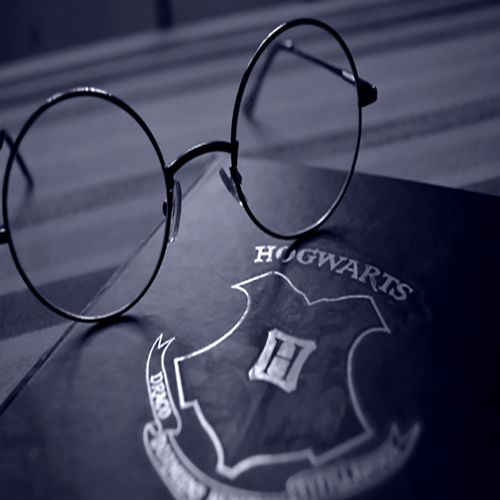
 Both my children have the words Nox and Lumos on their bedroom light switches. Both have Hogwarts robes, Gryffindor for Marvel Girl and Slytherin for her sister, in their wardrobes.
  And so we will embark on new adventures, in search of new tales, perhaps with Sparrowhawk as he wends his way from the Isle of Gont towards becoming an Archmage, or with Zaphod Beeblebrox tripping through the galaxy, or perhaps we will stay closer to home, roaming the streets of colonial Sydneytown with Beattie Bow, or dancing in the Anzac Deli with Mareka Nikakis.
