

We shall not cease from exploration…
We’ve had the best time.
Nothing makes me happier than hearing my children say these words — particularly when we’ve just spent the school holidays, in their entirety, at home.
I mean, we have left the house every now and then, because good old Sydneytown has turned on a run of truly spectacular winter days. It’s wonderfully warm in the sun, and even though it’s been windy the skies have been mostly clear of clouds. Staring skyward has been like looking up at a shimmering swathe of pale blue silk, stretching high into the heavens.
But the best bit has been the freedom.
For me, there is nothing more liberating than turning off all the alarms on my phone, knowing that we are — blissfully — not bound by routine for two whole weeks.
Being winter, we have slept in, relishing being able to get up with the sun at seven rather than scurrying out of bed in the dark. Even better, there have been days when we have stayed snug beneath our bedcovers, reading books or revelling in the very real pleasure of not having to be anywhere at a specific time.
We have enjoyed other simple things, too. We have walked in the winter sun, sometimes with a destination in mind and other times just because we can. We have watched Captain Marvel and endless episodes of The Adventures of Merlin, reminding ourselves that magic should be part of everyday life. We have planted flowers to brighten the back yard. We have played board games and card games while sipping hot chocolate and even hotter coffee. We have baked more muffins than it’s sensible for humans to consume.
From time to time I have marvelled at my children’s creativity, partciularly when they took it upon themselves to transform a large cardboard box into a Viking longboat in the back yard. I have smiled to myself in wry amusement when they protested having to scrub paint out of their pants when their artistic endeavours haven’t gone entirely to plan. I have admired their generosity when they have gone through old books and clothes and toys and worked out what they wanted to pass on to other kids.
And in the evenings, when the winter darkness falls so fast, we have heated our home by making stews and coming up with new spice blends to season homemade chicken nuggets, all while listening to Miles Davis and other jazz greats, or The Bad Plus working their own kind of wonder with instrumental versions of long-beloved songs like No Woman, No Cry. I’ve probably drunk more wine than I meant to, stirring pots on the stovetop and peeling sweet potatoes and parsnips to bake, not because the kids are driving me crazy, but because I am relaxed and happy — and because these are my holidays, too.
We’ve had the best time.
And I have, too.

…and the end of all our exploring will be to arrive where we started and know the place for the first time.
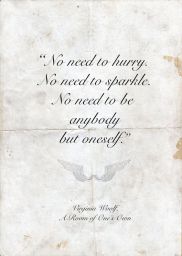
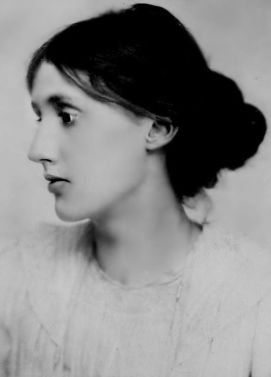 Last year I finally got around to reading Virginia Woolf’s extended essay, A Room of One’s Own, and I find myself still pondering her words today. Although it was first published in 1929, so much of what Woolf wrote rings true ninety years later: it is a feminist manifesto, delivered gently yet powerfully, bringing the place of women in literature and society into laser-sharp focus.
 Our lives are so full, and are lived at such a relentless pace. We bandy around words and phrases like “mindfulness” and “mental load”, but do we ever have time to stop — let alone to imagine?
 Even so, I remain hopeful.
 I have been saying NO to my children for a very long time.





 I find it hard to believe that it is almost March, and that this year I’ve only managed to get fingers to keys here in my small patch of cyberspace twice. I thought, when I began this post, that it was going to be about Virginia Woolf — but as you will see, it didn’t turn out that way at all.
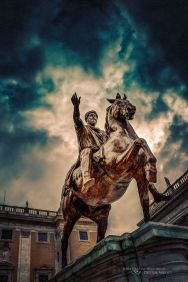
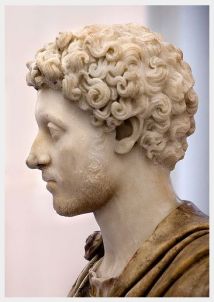 So, having unfettered myself from all sorts of strictures, I gave myself permission to meander down some old Roman roads, following the trail of the Philosopher Emperor and his wayward son. Commodus, according to Cassius Dio (who witnessed his actions and antics firsthand), was “not naturally wicked but, on the contrary, as guileless as any man that ever lived. His great simplicity, however, together with his cowardice, made him the slave of his companions, and it was through them that he at first, out of ignorance, missed the better life and then was led on into lustful and cruel habits, which soon became second nature.” Ouch.
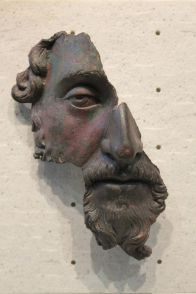 So that’s what I think I’ll be getting up to this year: delving into the thoughts of people who I happen to find interesting, diving into the depths and exploring topics and stories and ideas I find intriguing. I suspect that Virginia Woolf might get a look in somewhere — I know she tried to today, but Commodus must have had other ideas — and maybe Frida Kahlo, and Ursula Le Guin and goodness knows who else I happen to encounter.
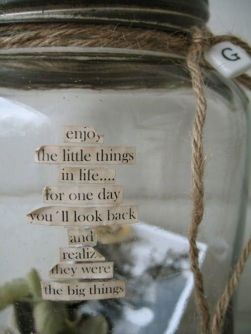 “Fog,” my then three-year-old daughter explained very earnestly to me as we walked along together one day, “is a cloud you can touch.”
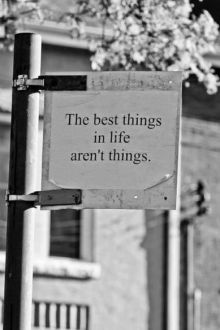 And so, I am left now with just the memory of those things, and of all the times they made me smile.
 I mean it’s there, if I look for it. I know I could find snippets of it between the pages of the dozen novels I’ve read since Christmas, or catch a glimpse or two between beach towels flapping in the breeze on the washing line. There’s probably a drop or two left in a wineglass on a windowsill somewhere, and a few morsels thrown in with the leftover salads in the fridge. I will no doubt discover a few more bits in with the various brightly coloured cards and plastic pieces of board games we’ve played during the heat of the day, or find some slipped into the pocket of one of my kids’ shorts with a couple of movie ticket stubs.
 This incredible piece of writing and genuine human bravery by Hannah Gadsby was intended as her farewell to comedy, but became a significant part of a much larger global conversation about equality.
 Another piece of viewing that resulted in
  Generally speaking I include one sentimental favourite in my Top 5 each year, and this is 2018’s offering. I freely admit to being a sucker for any Marvel movie, and felt it my duty as a fan to include one this year as a tribute to the late, great Stan Lee.
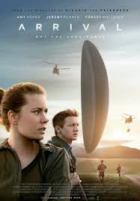 Yeah, yeah…I know — this came out ages ago, but finally popped up on Netflix so I actually got to watch it, so it’s on my list for 2018.
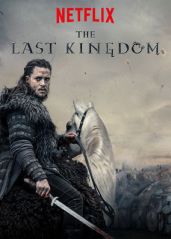 An unusual choice? Perhaps, but I’m as big a sucker for TV based on historical events (regardless of its accuracy) as I am for historical fiction. The Bloke and I do struggle with — and snigger at — the voiceover that precedes each episode of this Netflix Original starring Alexander Dreymon as Uhtred of Bebbanburg, a Saxon raised from early childhood as a Dane during the time of Alfred the Great.
 Blue Jai: