
Another month has seemingly sped by. The days are getting shorter here in the Antipodes, the nights longer, colder and darker. Lately I have been watching the moon rise in the early evening, first a fingernail and now a more substantial crescent, glowing with its own beautiful reflected light. It is literally otherworldly, and I look forward to it each night.
May is drawing to a close. I associate May with emeralds (which is the birthstone associated with this month), with the randomly-acquired weird fact that babies born in May are on average heavier than those born in any other month, and with my much-loved and even more greatly missed aunt, Marita, whose birthday was in May. I’m not sure why these are all things that involve birth, but there you go. Freud would probably have something to say about it, but I honestly couldn’t care what it was?!
Anyway, without further ado, let’s get into the THREAD for this month.
THINK | HEAR | READ | EAT | ADMIRE | DO

I’ve been thinking about all sorts of things this month. Many of them have been prompted by what I have been listening to and reading, but others have been about work (because I recently started a new job and am starting to find my feet) and also about health (because my kids both went on school camps, and two-thirds of the students who went with them ended up sick with Covid or RSV or Influenza or really bad head colds). I also deal with children who are unwell when I’m working, so during the past month I have come to appreciate how good health can be a truly tenuous thing. Looking after yourself becomes far more important when the ill-health of others brings it into sharper focus, though I suspect my age also provides a useful lens to view health through.
For me and many of my friends, our parents are becoming elderly or unwell, and some have sadly already passed away. Our children are at an age where they can almost look after themselves, but they still require reminders to protect — or more accurately not to risk — their own wellbeing (and that, I suppose, will continue until I no longer have to submit online forms when I need to advise their school they will be absent). I’m far more aware than I used to be that my own wellbeing and that of my peers is often being worn down by all manner of things. Lengthy commutes and even lengthier working hours. The infamous mental load — particularly for women. Cramming all the extracurricular stuff in. “Stuff” generally. It’s all necessary, but it’s all…there. And it’s not about to go away any time soon. So, since I only have time for one personal training session a week at the moment, I’ve been trying to relish it, knowing that it’s an hour I have carved out for my own benefit: physical, mental, emotional. And since there is a meditative quality to the reps, I might as well throw spiritual in there, too. I value that time more than ever now, and recognise it for the precious thing it is. As Anne Wilson Schaef said, “Good health is not something we can buy. However, it can be an extremely valuable savings account”.

On a similar note, I fortuitously stumbled across Julia Louis Dreyfus’ new podcase Wiser Than Me this month, and have been listening as she interviews older women, mining the rich veins of their wisdom about the world and how to live in it. So far I’ve heard her speak with Jane Fonda, Isabelle Allende, Ruth Reichl, Fran Lebowitz and Darlene Love, and I’m midway through the episode with Diane von Furstenberg. Each conversation has been interesting, revealing, and — without fail — provides me with either a much needed kick in the pants to do something (or to attempt to do it differently), or with a ‘nugget’, which is the word I attach to a piece of advice that rings as true as pure gold to me.
The women Julia Louis Dreyfus interviews are all inspirational in their own way, and I have found it interesting to hear them talking about all manner of things. Keeping active. Staying healthy. Dealing with regrets and disappointments. Navigating marriages and friendships. And suggesting that it might be a good idea to rid of the word “ageing” and replace it with “living” — because that’s what we’re all doing: living (or in Paris Hilton’s case, sliving — but that’s a story for another time and place).
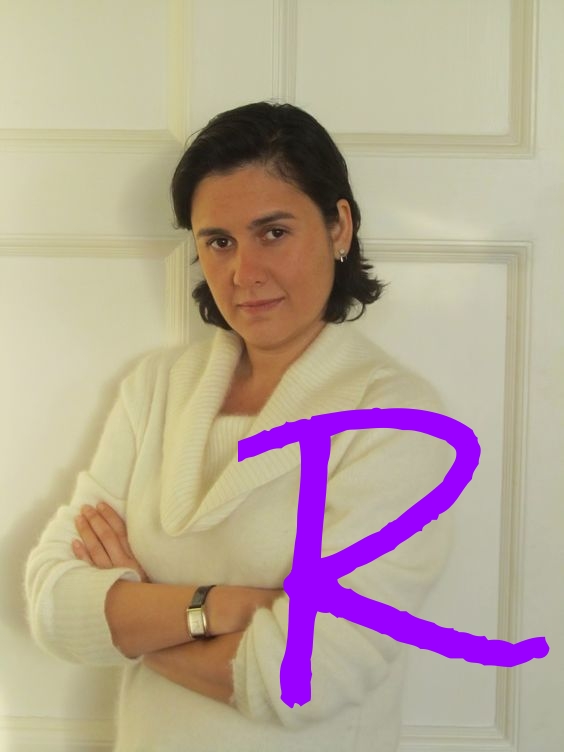
I’ve been reading about women and friendships, too. First I devoured Kamila Shamsie’s novel Best of Friends, which brings to life the world of Karachi, Pakistan on the eve of Benezir Bhutto coming to power in rich and atmospheric detail, before shifting to almost present day London. The main characters, Zahra and Maryam, have been friends since they were teenagers. I’m not going to say too much more about it, other than I admired Shamsie’s writing a great deal, and recognised the truth in some of her insights, like this one:
Perhaps that was the key to the longevity of childhood friends — all those shared subtexts that no one else could discern. And perhaps shared subtext felt even more necessary when you both lived far away from the city of your childhood that was itself the subtext to your lives. Childhood friendship really was the most mysterious of all relationships, Maryam thought…it was built around rules that didn’t extend to any other pairing in life. You weren’t tied by blood, or profession, or an enmeshed domesticity or even — as was the case with friendships made in adulthood — much by way of common interests.
If you enjoy the novels of Elana Ferrante (such as The Lying Life of Adults or, more particularly, the Neoplotian quartet that begins with My Brilliant Friend and features a similar pairing of friends in Lenu and Lila), this is definitely in the same wheelhouse and well worth your time.
I also read a fabulous book by Meg Bignell called The Angry Women’s Choir, and followed that blast of fresh air with Laura Imai Messina’s more subdued but still beautiful novel The Phonebox at the Edge of the World. Both are great and I recommend them.

In terms of what I’ve been eating, soup has featured prominently on the menu for me recently. I generally make a big pot each weekend and use whatever we have most of in the fridge, then take it to work for lunch. So far I’ve made a couple of pots of celery and zucchini soup (the zucchini adds much needed creaminess to the otherwise potentially stringy celery), and more recently have made a giant tureen of another favourite: pumpkin soup. I’m planning on doing another pot of something on Tuesday — I have some pearl barley so I might do good old fashioned vegetable soup and use up whatever odds and ends are in the fridge.
Last week I was also lucky enough to eat out a few nights, because both the kids were away on school camp. Having a couple of unexpected mid-week date nights with The Bloke was great. We hit up a couple of local favourites, first Teddy Larkins and then the Manly Skiff Club. Both were great — but the best bit, for me, was the company. Sometimes it take being away from the whole family for an extended period to remind me that The Bloke is still very much My Person, even after twenty years. It’s nice to know we still get along, too.

In terms of what I’ve been admiring, I finally finished watching The Americans. I know I’ve been late to the party on this one, but I was so happy when Disney+ released all six seasons I started watching it immediately and was just as quickly hooked. Keri Russell and Matthew Rhys are fine actors, and at the top of their games in this series (though Rhys was also fantastic as Lloyd Vogel in A Beautiful Day in the Neighbourhood, which starred Tom Hanks as Mr Rogers). Noah Emmerich also deserves a massive shout out for his role as FBI agent Stan Beeman, the unwitting neighbour of extremely active Russian KGB agents Philip and Elizabeth Jennings (played by Rhys and Russell). Emmerich has now gone from being “Oh, it’s that guy,” when he appears on screen to me actually knowing his name.
The Americans had it all for me, but really delivered in two areas: nostalgia and tension. The sets, props, costumes, language, everything took me straight back to my childhood, and made me realise just how much (even in Australia) the Cold War hung over our heads in the 1980s. The tension, on every level — international, suburban, intergenerational, marital — was brilliantly orchestrated and calibrated, and truly masterfully delivered in the series finale. For my money, the absence of dialogue and use entire musical tracks in the finale following the now-famous garage scene (let’s face it: it had to happen eventually) was a brave decision that — for my money — absolutely worked. Now I’ve finished watching it I feel slightly bereft, but also in need of television viewing that does not leave me realising I’ve been holding my breath.
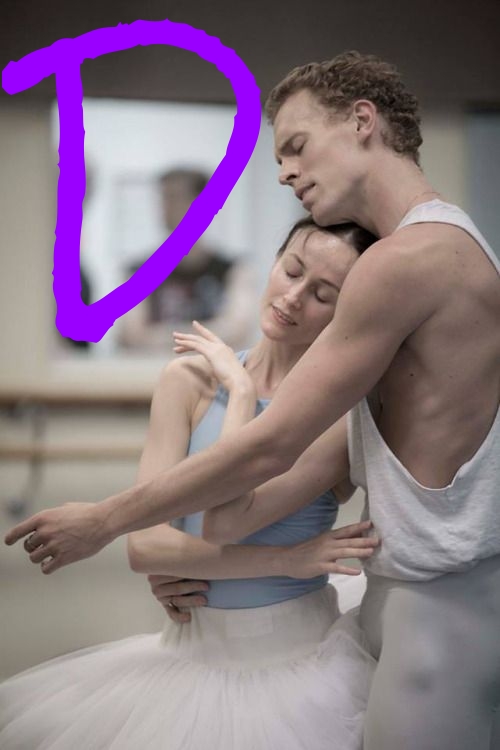
And now, finally, onto doing. The Bloke and I unlocked an adulting achievement this month when (drumroll please) we managed to park our cars side by side in our new garage for the very first time. After decades — yes, decades — of tandem parking and having to do the old switcheroo when one of us needed to get one of our cars out, we can now simply press a button to raise the garage door and back out down the driveway. I realise tandem parking is the epitome of a First World Problem, but to say this achivement is momentous is underestimating how truly lifechanging this has been for us.
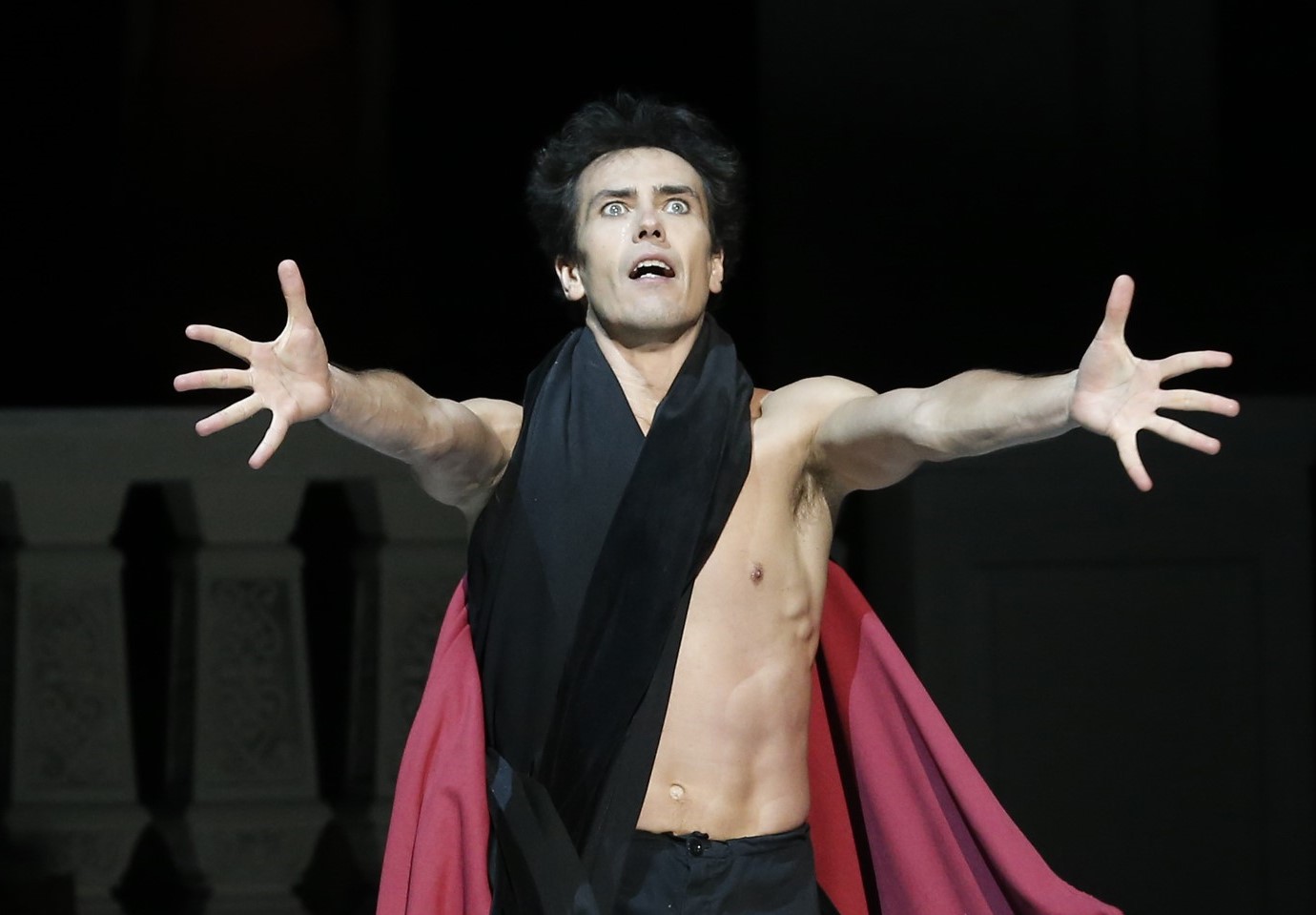
The other thing I did (another drumroll please!) was take my wonderful mother to see the Ballet! If you cast your mind back to the second edition of the THREAD, you might remember I was sad to think that I would never get to see Adam Bull dance again before he retired from the Australian Ballet. Well folks, I did get to see him perform — in one of his last shows at the iconic Sydney Opera House. Mum and I had a fantastic afternoon on a truly sparkling Sydney day (you gotta love this city)…
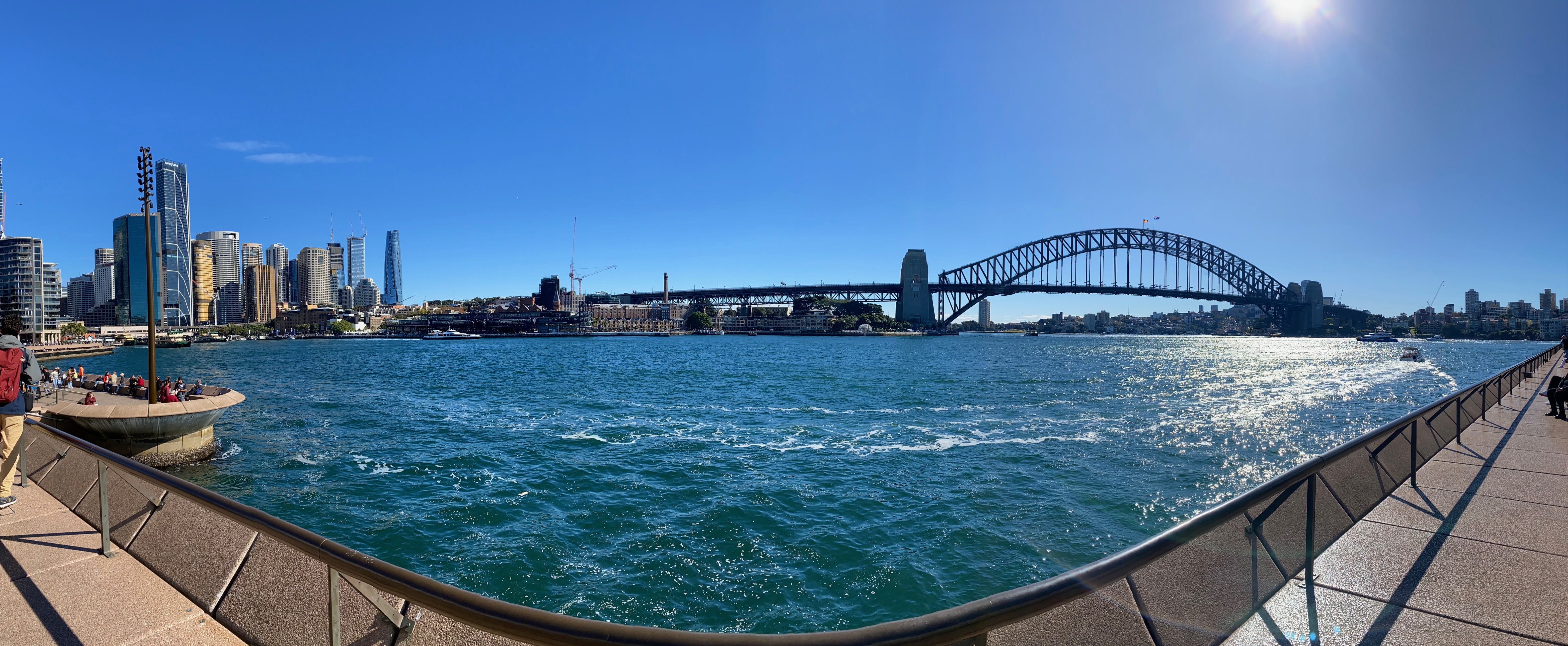
…and we absolutely loved the performance, which was called Identity and featured two works, The Hum by Daniel Riley and Paragon by Alice Topp. Spending the whole entire afternoon with my mother was such an incredible treat, and I was so grateful to The Bloke and our kids for looking after The Professor while mum and I quite literally sat back and enjoyed the show. In fact, we loved it so much we’ve booked to see another show together later in the year — not ballet, but something equally enthralling which I will no doubt get to write about in October.
Anyhoo, that’s all for now. As always, I’d love to know what you’ve been up to and enjoying, so feel free to leave a comment if you’d like to.
Mind yourselves, too!
BJx


 Blue Jai: